
Call or Text Us
817-502-2007
817-502-2007
You keep athletes safer and protect your facility when you install wall or sided pads where play runs into hard surfaces. Wall padding absorbs impact, reduces the chance of injuries like concussions and fractures, and prevents damage to walls and equipment—making it a practical safety upgrade for any gym, arena, or multipurpose sports space.
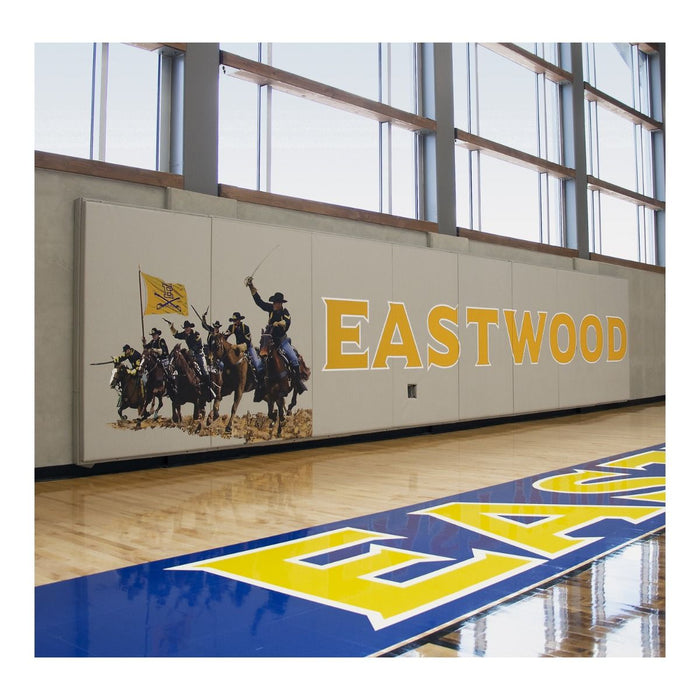
Expect practical guidance on how padding choices, thickness, materials, and placement affect protection and longevity, so you can match pads to the sport and level of contact. Stay with the article to learn what features matter, where pads are most critical, and how smart maintenance keeps protection reliable.
Wall and sided pads reduce impact forces, protect athletes from hard surfaces, and cover exposed columns or posts that create collision hazards. Proper material selection and installation determine how well pads absorb energy and resist wear in different environments.
You lower concussion and fracture risk when you install continuous wall padding behind play areas like basketball backboards or along gym sidelines. Wall pads create a cushioned barrier that spreads and slows impact energy across foam layers instead of concentrating force on a single point.
Use high-density foam layers—typically polyurethane or polyethylene foam—mounted on a rigid backing to resist bottoming-out during heavy impacts. Vinyl or coated fabric covers resist abrasion and allow cleaning, which keeps pads hygienic and visible so athletes can anticipate the protected area.
Position pads at likely collision zones: behind hoops, along end-lines, and where running lanes narrow. Secure mechanical fasteners and durable adhesives prevent pad displacement, maintaining consistent protection throughout practice and games.
You select foam by matching energy absorption to the sport and impact severity. Polyurethane foam offers good energy dissipation for frequent, moderate impacts. Polyethylene foam provides firmer resistance suitable for outdoor use or areas needing greater structural support.
Layered construction—soft inner layers over firmer base layers—improves impact absorption while preventing collapse. Specify thickness based on sport: thicker pads (2–4 inches or more) for high-contact zones, thinner for low-risk perimeter areas. Check pad density ratings and shock attenuation data when comparing products.
Covers matter: UV-resistant vinyl prolongs life outdoors; anti-microbial coatings help indoor facilities reduce pathogen buildup. You should request manufacturer test data on impact attenuation and flame resistance to meet facility safety standards.
You protect athletes from severe localized injuries by padding columns, goalposts, and exposed poles because these present concentrated impact points. Column padding wraps around structural elements and uses high-density foam or molded polyethylene for reliable shock absorption.
Choose shapes and thicknesses that fully encase the object and extend beyond likely contact height. Secure fasteners or integrated straps ensure the padding stays aligned during collisions and maintenance. For outdoor posts, prioritize weatherproof covers and UV-stable foam to avoid degradation.
Coordinate column and pole padding with adjacent wall pads to eliminate exposed hard edges. Regular inspections for tears, compression, or loose mounts keep the system effective and reduce the risk of secondary injuries.
You get impact protection, facility preservation, and visual customization from properly specified wall pads. The right combination of backing, foam density, and cover material determines safety, durability, and how well the pads integrate with your facility’s design.
Choose a strong backing to keep pads secure and transfer loads safely. Wood backing or backer board provides rigid support for gym wall padding and is commonly used where anchors and screws need firm hold. That prevents the pad from tearing away on repeated impacts.
Foam selection controls energy absorption. Closed-cell and open-cell foams, and combinations of high-density layers, change how much force your sports wall padding attenuates. Specify foam thickness and density to match the sports played—basketball and wrestling need different deceleration characteristics.
Cover material affects maintenance and lifespan. A commercial-grade vinyl cover resists abrasion, stops moisture penetration, and cleans easily after sweat and spills. Look for UV- and mildew-resistant vinyl for outdoor or high-humidity areas. Reinforced seams and a 1" lip for mounting improve fit and longevity.
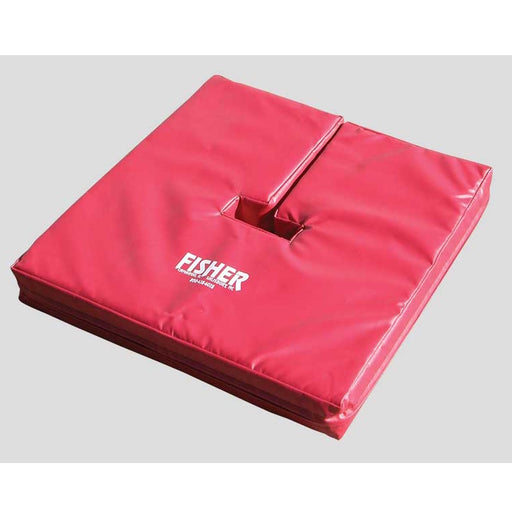
Wall protection reduces repair costs and extends surface life. When you install gym wall padding, you limit scuffs, dents, and paint damage caused by player contact and equipment, lowering repainting and drywall replacement frequency.
Durability depends on proper attachment and material quality. Backing systems like wood backer boards create a stable mounting plane so the pads stay flush and resist edge lifting. Regular inspection of foam compression and vinyl abrasion helps you plan replacements before failure.
Maintenance routines lengthen service life. Clean vinyl covers with manufacturer-recommended cleaners, inspect seams and mounting hardware quarterly, and replace foam that shows permanent deformation. These steps protect both the pads and the underlying wall structure.
Custom padding lets you match colors, logos, and court layouts to your facility’s brand. You can specify team colors, digitally printed graphics, or vinyl panels that align with school identity or sponsor requirements.
Sizing and layout options support multi-sport use. Modular pad sections allow you to reconfigure for basketball, volleyball, or gymnastics while maintaining consistent coverage. You can order custom wall padding heights and widths to protect critical impact zones.
Beyond aesthetics, customization includes functional choices. Select vinyl weight, seam type, and mounting lip style to meet your use-case. Combining custom design with high-quality padding materials delivers both brand visibility and dependable safety performance.